Directional drilling is a trenchless construction method used to install underground utilities along a controlled, pre-planned path without the need for open trenching. Instead of excavating the entire surface, a guided drill head is advanced through the ground, allowing utilities such as conduit, fiber optic lines, water lines, gas lines, and electrical infrastructure to be installed with precision beneath roads, buildings, and existing structures.
This drilling process begins with a pilot bore, where operators steer the drill head along a mapped path using tracking systems that monitor depth, alignment, and location in real time. Once the pilot bore is complete, the hole is gradually enlarged through reaming, followed by the pullback phase, where the utility line is installed through the completed bore path.
Compared to traditional trenching methods, drilling significantly reduces surface disruption. Pavement, landscaping, roadways, and existing infrastructure remain intact, eliminating the need for extensive restoration and reducing overall project timelines. This makes directional drilling especially valuable in developed areas, active job sites, and locations where maintaining access and minimizing downtime are critical.
Directional drilling also improves jobsite safety and efficiency. By limiting open excavation, crews reduce exposure to hazards, maintain cleaner work zones, and operate more effectively in confined or high-traffic environments. For projects requiring safe exposure around existing utilities, hydrovac services may be used to support drilling accuracy and prevent damage.
At B&B Operations, drilling is performed with a focus on precision, planning, and execution. Every bore path is carefully designed to meet project specifications, soil conditions, and utility requirements, ensuring consistent results across a wide range of applications throughout Central Illinois.
Benefits of Directional Drilling
Directional drilling provides a clear advantage over traditional trenching methods, especially for commercial and municipal projects where disruption, safety, and timelines directly impact cost and operations. By using a controlled underground bore path, directional drilling allows utilities to be installed with precision while preserving the integrity of the surrounding surface.
Minimal Surface Disturbance
Directional drilling eliminates the need for continuous open trenching, allowing work to be completed beneath roads, parking lots, sidewalks, and landscaped areas without tearing them up. This reduces restoration requirements and keeps properties functional throughout the project.
Faster Installation Timelines
Because directional drilling avoids large-scale excavation and restoration, projects can move more efficiently from start to finish. Crews can complete bores quickly and transition directly into installation, reducing downtime and keeping construction schedules on track.
Improved Safety Around Existing Utilities
Directional drilling allows operators to navigate around existing underground infrastructure with controlled precision. This reduces the risk of damaging water lines, gas lines, or electrical systems and helps maintain safe working conditions on active job sites. When required, hydrovac excavation can be used to safely expose existing utilities before drilling begins, further improving accuracy and jobsite safety.
We perform directional drilling for:
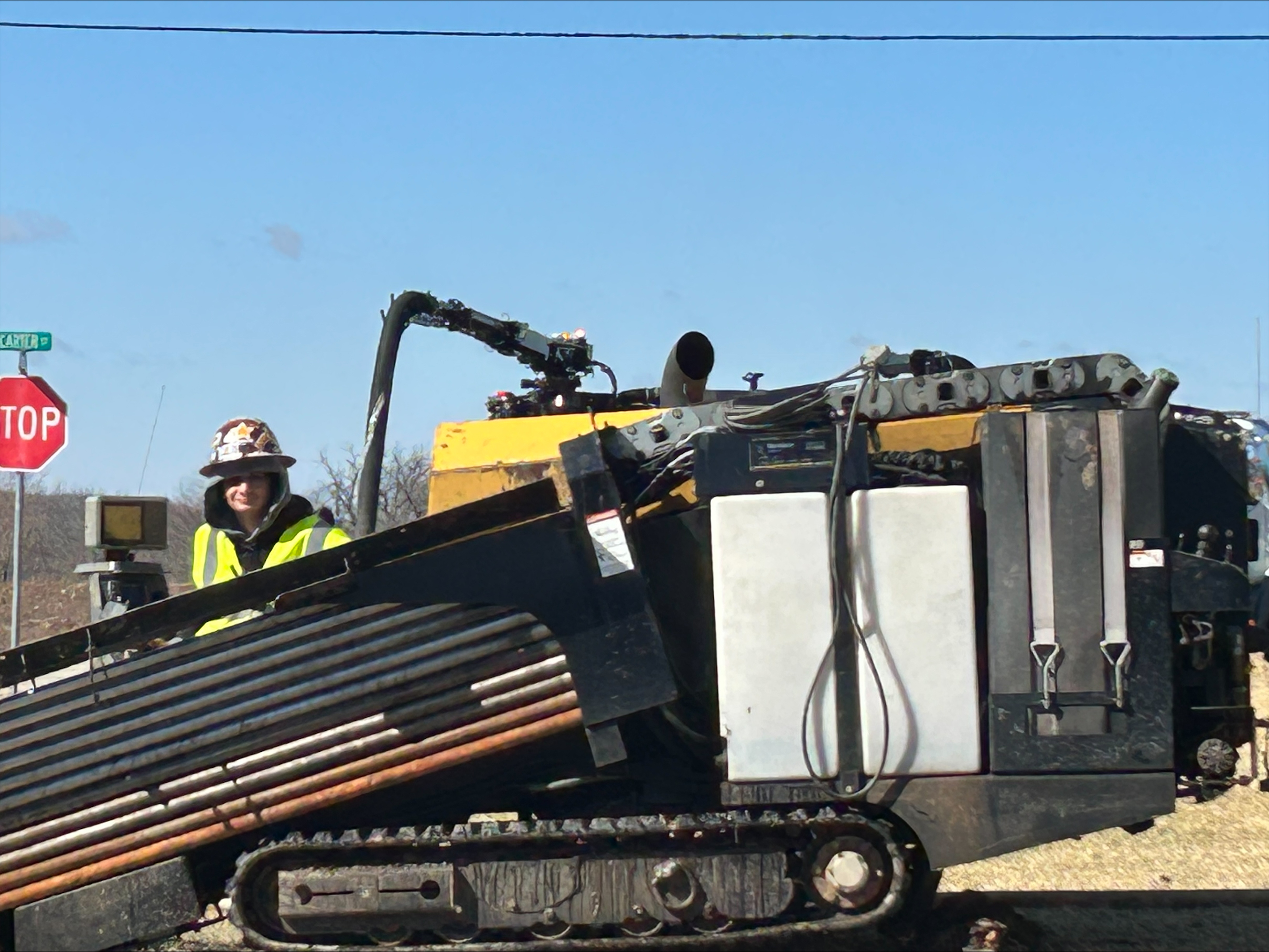
We operate Vermeer and Ditch Witch rigs matched to project needs.
Capabilities include:
Our drilling division brings over 30 years of trenchless drilling experience, delivering reliable results backed by skilled operators and modern equipment.
Why clients trust our crews:
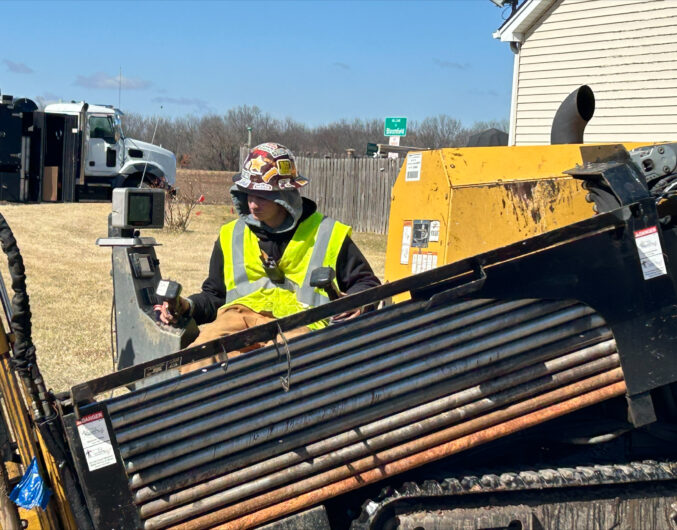
Our crews follow Illinois state regulations and OSHA 29 CFR 1926.
We complete:
We also maintain bonds and insurance for municipal and corporate requirements.
B&B Operations provides directional drilling services locally across Central Illinois, supporting commercial and municipal projects in surrounding states such as Wisconsin, Michigan, Iowa and Indiana. Our crews understand the realities of working in this region, from varying soil conditions and seasonal ground changes to existing underground infrastructure and permitting requirements. That local experience allows us to plan and execute drilling projects with accuracy, minimizing delays and avoiding costly rework.
Directional drilling often requires navigating tight urban corridors, active roadways, and developed commercial properties where disruption is not an option. Our team is equipped to complete bores beneath parking lots, roadways, and structures while maintaining surface integrity and keeping surrounding operations functional. Whether the project involves fiber optic drilling, utility expansion, or municipal infrastructure upgrades, we approach every job with a focus on precision, safety, and efficiency.
We work closely with contractors, project managers, and municipalities to align drilling operations with broader construction timelines. By coordinating schedules, staging equipment effectively, and maintaining clear communication throughout the project, we help ensure that drilling work integrates seamlessly with other phases of development.
From initial planning through final installation, our goal is to deliver drilling services that meet specifications, stay on schedule, and perform reliably long after the job is complete.
Directional drilling is only one part of a successful project. Proper site preparation and coordination between surface work and underground installation are what keep timelines intact and prevent costly delays.
Before drilling begins, many projects require land clearing and site preparation to remove obstacles, establish access, and create a stable working environment. Coordinating these phases under one contractor reduces handoff delays, eliminates miscommunication, and keeps projects moving efficiently from clearing through final installation.
By combining directional drilling with land clearing and light excavation, B&B Operations provides a more streamlined approach to commercial site services in Central Illinois, allowing contractors and municipalities to work with a single team that understands both surface conditions and underground requirements.
Trenchless drilling is a method used to install underground utilities without tearing up the surface from start to finish. Instead of digging a trench, crews use a horizontal drilling rig to bore beneath the ground along a controlled path. In the field, this isn’t theoretical. It’s a step-by-step process: A pilot bore is drilled along a planned path The bore is widened to the required diameter The utility line is pulled back through the completed path The goal is simple — install the line while keeping everything above it intact and operational. For a detailed, real-world breakdown of how trenchless drilling is performed from start to finish,
The difference comes down to how the utility is installed and what happens to the surface. Trenching requires digging a continuous open cut, installing the utility, and then restoring everything afterward. Trenchless drilling avoids that by placing the utility below ground without disturbing the surface. Choosing the right method depends on: Site conditions Surface structures Project timeline Restoration requirements In developed or high-traffic areas, trenchless drilling is often the more efficient and controlled option. For a clear comparison of both methods and when each should be used,
Cost depends on more than just installation. It includes everything required to complete the project — including restoration, downtime, and risk. Trenching may appear less expensive upfront, but it often comes with added costs: Surface repair (asphalt, concrete, landscaping) Traffic disruption Project delays in active environments Directional drilling typically reduces or eliminates those variables, which can make it the more cost-effective option overall. The key is understanding total project cost — not just the initial price. For a realistic breakdown of pricing and what actually drives cost on a drilling project,
Depth is not a fixed number — it’s engineered based on the project. Directional drilling depth is determined by: Existing underground utilities Surface load requirements (roads, structures) Soil conditions Required clearances and safety margins The bore path is planned in advance and monitored throughout the drilling process to ensure it stays within design specifications. Depth control is one of the most critical parts of a successful trenchless installation, especially in congested or high-risk environments. For a detailed look at how depth is planned, tracked, and executed in real projects,
Yes. Every operator maintains OSHA construction safety certifications.
Experience allows operators to anticipate soil changes, adjust drill head pressure, manage fluid mix, and navigate around underground obstacles with greater accuracy. This reduces risk and improves consistency.
If you need directional drilling in Illinois, Wisconsin, Michigan, Iowa and Indiana, trust the commercial-only experts at B&B Operations.